
Residential Fencing
Residential fencing enhances privacy, security, and aesthetic appeal while defining property boundaries. Available in various materials and styles, each fencing type offers unique benefits and drawbacks, catering to different needs, budgets, and preferences.
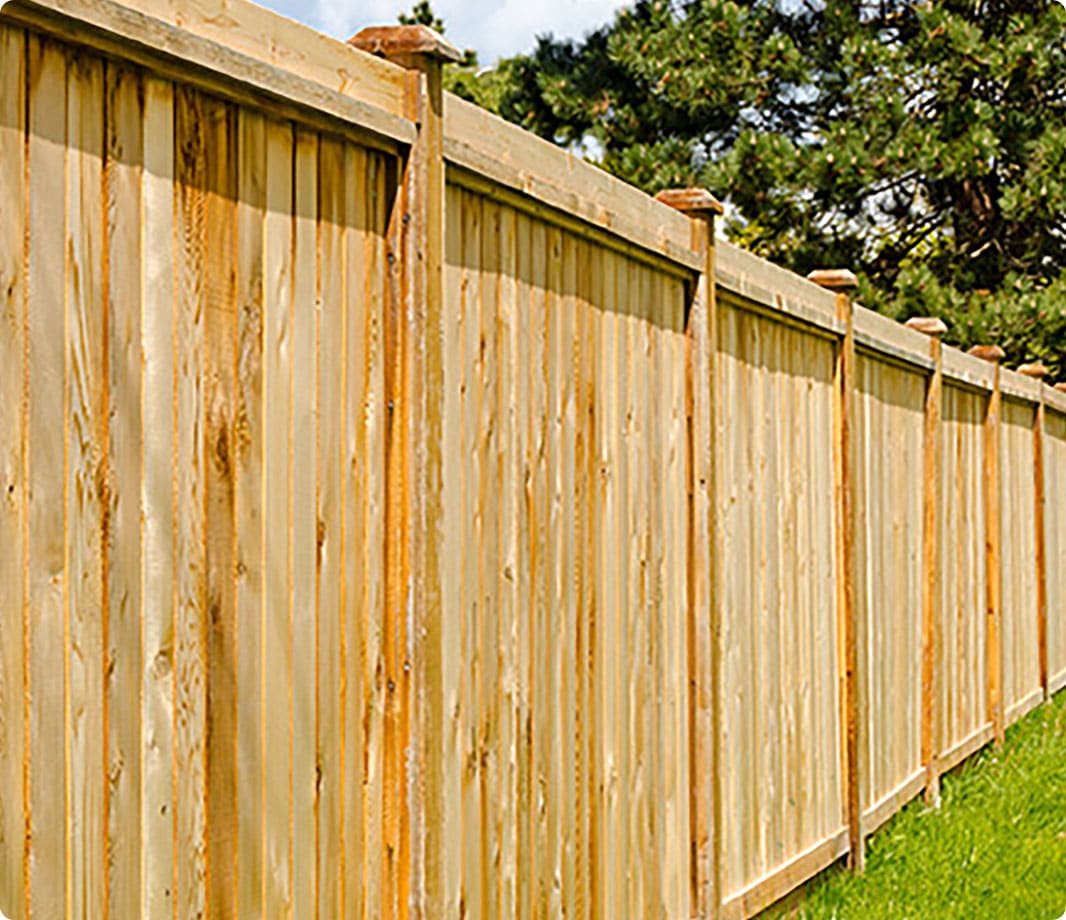
Wood Fencing
Fences made from beautiful and durable cedar wood, provide a classic, natural look. Styles include picket, privacy, or split-rail.
Pros:
- Versatile and aesthetically pleasing, blending with various landscapes.
- Customizable in height and style.
- Offers good privacy (especially solid panels).
Cons:
- Requires regular maintenance (staining, sealing) to prevent rot and weathering.
- Susceptible to insect damage and warping.
- Higher upkeep costs compared to low-maintenance materials.
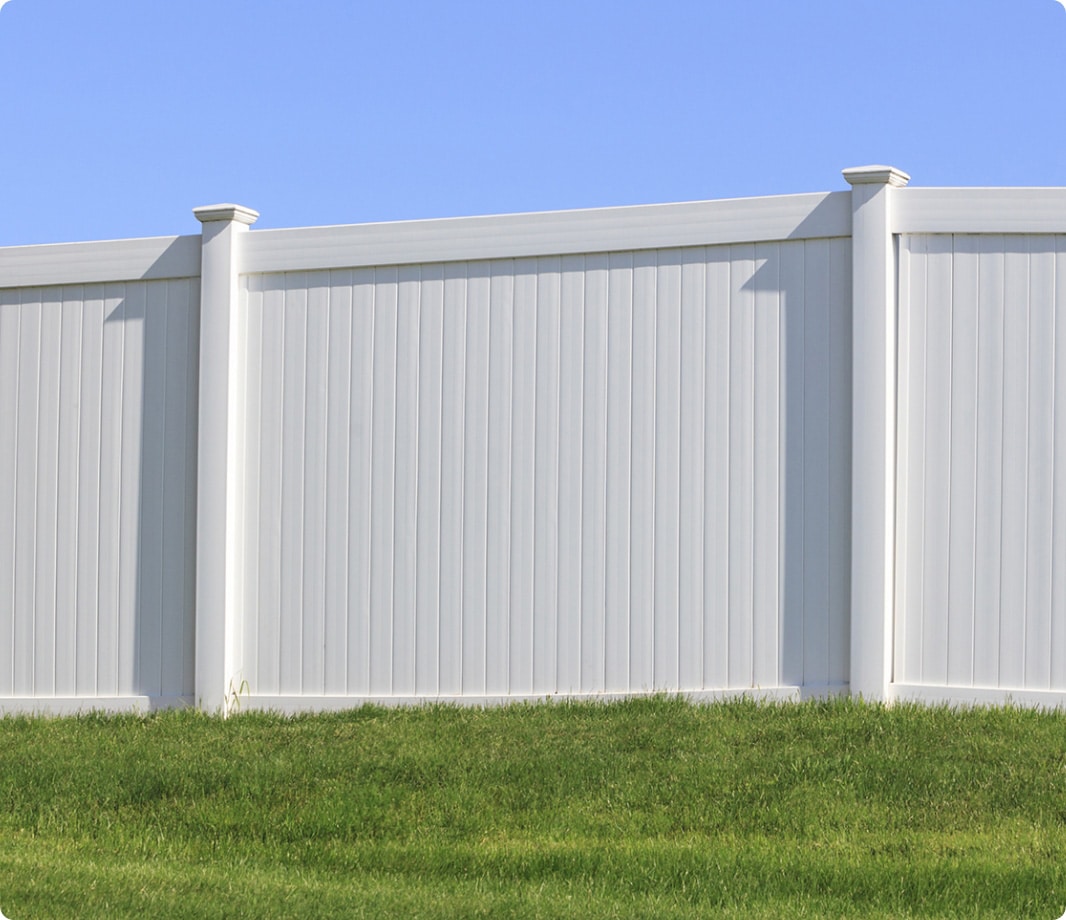
Vinyl Fencing
Made from PVC, vinyl fences mimic wood or other materials in styles like privacy, picket, or ranch rail, available in various colors.
Pros:
- Low maintenance; resists rot, fading, and pests.
- Durable and long-lasting, often with warranties.
- Easy to clean with soap and water.
Cons:
- Higher upfront cost than wood.
- Limited color options; cannot be repainted.
- Can become brittle in extreme cold or crack under impact.
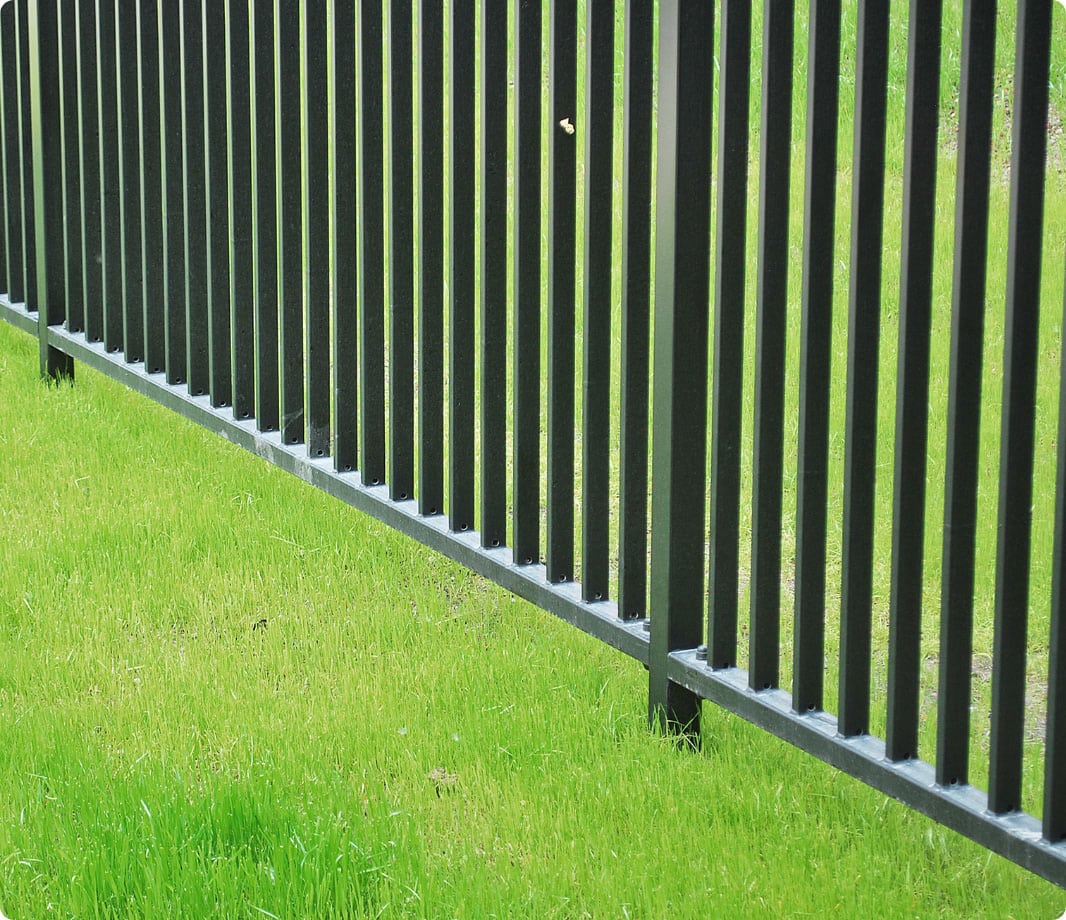
Aluminum/Metal Fencing
Aluminum or steel fences, often powder-coated, offer a sleek, ornamental look, ideal for decorative or security purposes, resembling wrought iron.
Pros:
- Durable, rust-resistant, and low maintenance.
- Provides security without obstructing views.
- Available in various styles and colors.
Cons:
- Limited privacy unless panels are added.
- Higher cost than chain-link or wood.
- May dent or bend under significant impact.
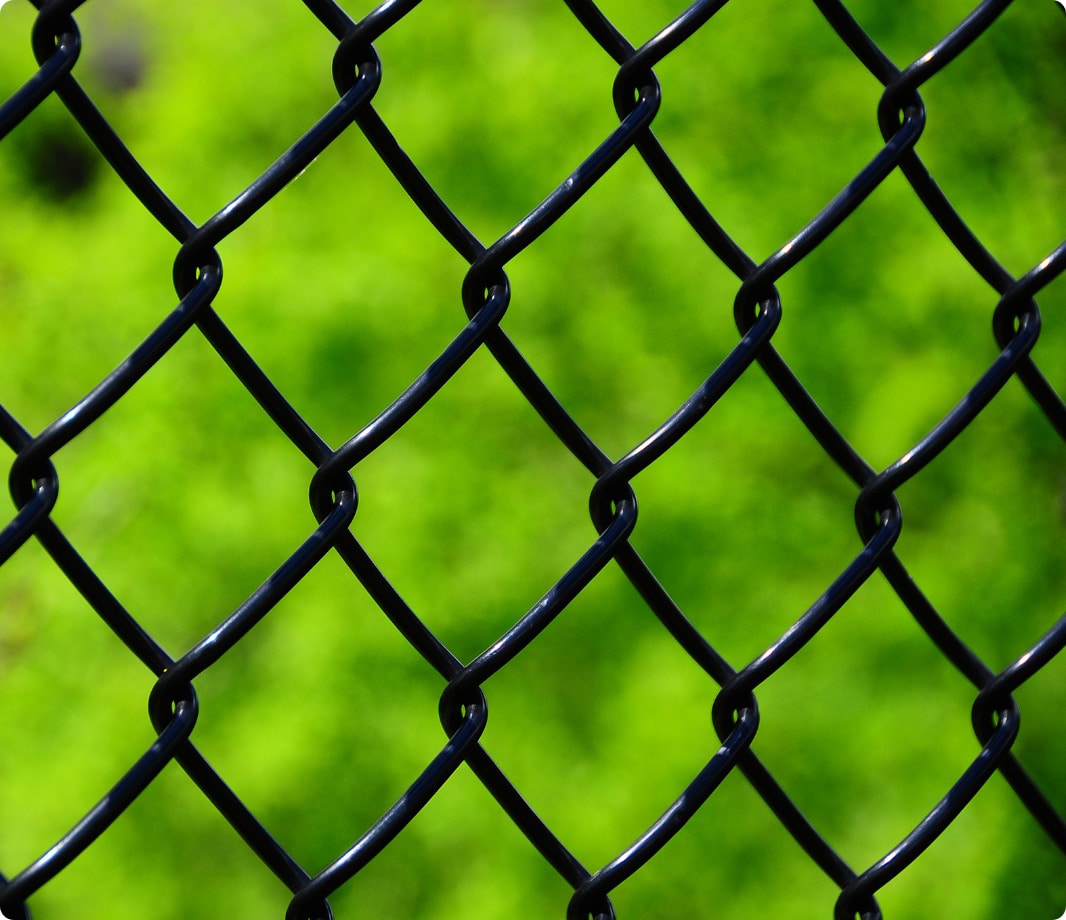
Chain-Link Fencing
Made from galvanized or vinyl-coated steel wire, chain-link fences are open-weave, functional options often used for security or pet containment.
Pros:
- Cost-effective and quick to install.
- Durable and low maintenance, especially
when coated. - Allows visibility and airflow.
Cons:
- Minimal privacy unless slats are added.
- Less aesthetically appealing than other options.
- May rust if not properly galvanized or coated.

Composite Fencing
Combining wood fibers and recycled plastics, composite fences mimic wood’s appearance in privacy or picket styles, offering an eco-friendly option.
Pros:
- Low maintenance and resistant to rot, insects, and weathering.
- Eco-friendly and available in various colors/textures.
- Long lifespan with minimal upkeep.
Cons:
- Expensive initial cost, similar to or higher than vinyl.
- Limited style options compared to wood.
- May fade slightly over time in direct sunlight.
Choosing the right residential fence depends on priorities like budget, maintenance willingness, privacy needs, and aesthetic preferences. Consult with one of our specialists to help tailor the choice to your specific needs, ensuring a balance of functionality and style.